

If you’ve ever wondered about the early signs of blocked drains Gold Coast homeowners should watch for, the good news is your plumbing usually gives you clues before a full blockage occurs. Recognising these signs early can save you time, stress, and costly repairs down the track.
Quick Guide: Common early warning signs
| Warning sign | What it means | Why it matters |
| Slow draining water | Build-up of hair, grease or soap | Can quickly develop into a complete blockage |
| Bad smells | Food waste, or stagnant water in pipes | Indicates a deeper issue in the drainage system |
| Gurgling noises | Air trapped by partial blockages | An early clue that pipes are struggling |
| Water backing up | Wastewater flowing back into sinks/showers | Urgent – can cause property damage and health risks |
| Outdoor pooling | Water collecting near outside drains | May signal tree root intrusion or leaking pipes |
In the sections that follow, we’ll take a closer look at each of these warning signs and what they could mean for your home.
Slow draining water
One of the first signs your drains are under stress is water taking longer than usual to disappear from sinks, showers, or tubs. Slow drainage happens when materials such as hair, soap scum, grease, or food scraps begin to build up inside the pipes.
At first, it may only seem like a minor inconvenience. But as the obstruction grows, the water flow continues to slow until the pipe becomes completely blocked. Left untreated, this can put extra pressure on your plumbing system and increase the risk of leaks or bursts.
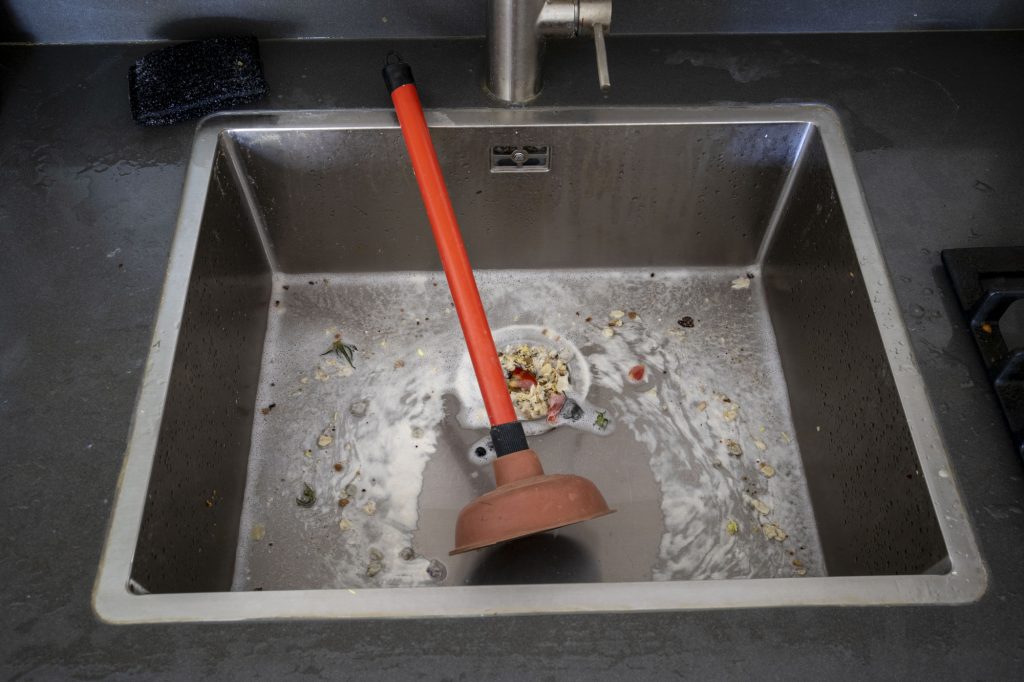
Bad smells coming from drains
A foul smell rising from your sink, shower, or floor drain is another warning sign of a developing blockage. These odours usually come from decomposing food, grease, or waste trapped inside the pipes. In some cases, stagnant water collecting behind the blockage is also to blame.
Unpleasant smells aren’t just an irritation – they can point to hygiene risks and potential bacterial growth. If you notice odours that linger even after running water, it’s often a sign your drains need closer attention before the problem escalates.
Gurgling or bubbling noises
When you hear gurgling or bubbling sounds after water drains away, it often means air is trapped in your pipes. This happens when a partial blockage forces water to push past trapped air pockets. The noise is your plumbing system struggling to maintain normal flow.
Common culprits include grease, hair, or soap buildup, as well as tree roots invading underground pipes. While the sounds themselves might seem harmless, they are an early clue that a bigger issue is developing below the surface.
Water backing up
Few things are more alarming than water coming back up through a sink, shower, or toilet. Backflow occurs when a blockage becomes severe enough to stop wastewater from moving through the pipes, forcing it back into your fixtures.
This isn’t just messy – it can damage flooring, walls, and cabinetry, and poses clear health risks. If you spot water pooling where it doesn’t belong, it’s usually a sign the problem has moved beyond a simple blockage and needs immediate attention.
Frequent need to plunge
If you find yourself reaching for the plunger more often than usual, it’s a sign that the issue runs deeper than a one-off clog. Regular plunging may provide temporary relief, but it usually means something is obstructing the system further down the line.
Relying on plungers or chemical cleaners can wear on your plumbing without solving the root cause. Frequent blockages point to a problem that needs diagnosing before it escalates into a complete drain failure.
Outdoor signs
Blocked drains don’t always show themselves indoors first. Around the Gold Coast, where heavy rainfall and large trees are common, outdoor warning signs can be just as telling. Keep an eye out for water pooling near external drains, patches of unusually damp soil, or lush green spots in the yard that grow faster than the surrounding grass.
These symptoms often indicate that water isn’t draining away as it should, possibly due to tree roots infiltrating underground pipes or stormwater lines being obstructed. Ignoring these outdoor clues can lead to flooding, structural damage, or costly excavation work later on.
What to do if you notice these signs
If you spot any of these early warning signs, acting quickly can prevent a small problem from turning into an emergency. Start by avoiding the use of chemical drain cleaners, as they often cause more harm than good by corroding pipes. Instead, try simple steps such as removing visible debris from drain covers or using a plunger for minor clogs.
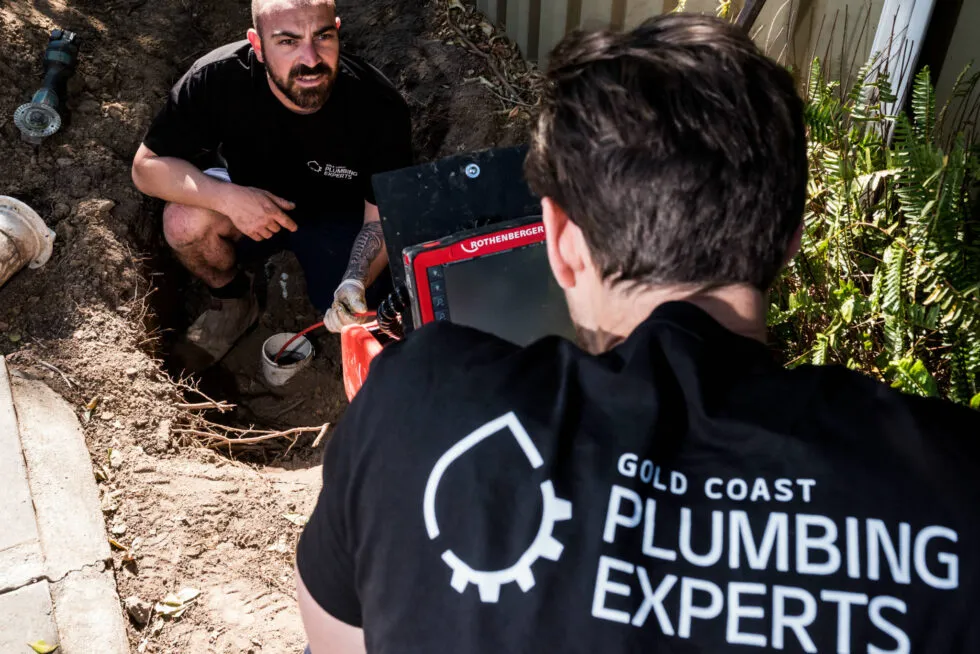
If issues persist, it’s best to seek professional help. Licensed plumbers have specialised equipment, like drain cameras and high-pressure water jetters, to locate and clear blockages safely. Taking action early not only protects your home but also saves you from the stress and expense of major repairs.
Conclusion
Blocked drains rarely happen overnight. More often, they start with small warning signs like slow drainage, unpleasant smells, or unusual gurgling. By paying attention to these clues, you can address issues early and avoid the disruption, expense, and health risks of a complete blockage. Understanding the common causes of blocked drains Gold Coast residents experience, from grease buildup and hair in household pipes to tree roots in outdoor lines, makes it easier to spot problems before they escalate.
If you’ve noticed any of these signs, don’t wait until the problem worsens. A timely response protects your home and keeps your plumbing system running smoothly.
For peace of mind, you can rely on Gold Coast Plumbing Experts. With a team of licensed, highly experienced plumbers on call 24/7, they’re equipped to quickly diagnose the issue and provide a safe, lasting solution. Whether it’s a minor blockage or a more complex drain problem, they bring the expertise and equipment needed to resolve it efficiently and with care.
By acting early and engaging a trusted professional, you’re not only safeguarding your property but also ensuring your drains continue to perform as they should in the long term.
Related posts:
 How To Flush A Hot Water System (4 Steps)
 3 Eye-Popping Shower Drain Types For 2023
 Monthly Plumbing Maintenance Checklist for Homeowners
 How To Install Bathroom Vanity Plumbing The Right Way
 What Causes Burst Water Pipes? Here Are 6 Common Culprits
 Why You Might Want To Think Twice About Using Liquid Drain Cleaners

