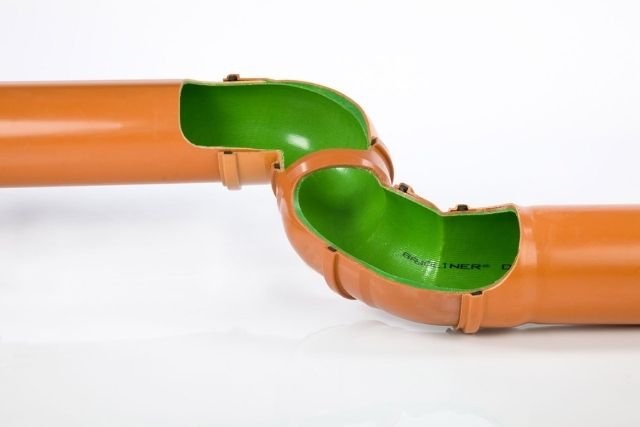
Pipe relining offers a modern solution to fix damaged underground pipes without extensive excavation. This innovative method has multiple benefits including better accessibility, less mess, less downtime and lower cost, saving property owners time, money, and hassle compared to traditional pipe replacement.
Most pipe relining jobs in and around the Gold Coast typically range between $2,900 and $6,400, depending on factors such as pipe access, diameter, length, material, and the extent of the damage.
For standard 100mm pipes, costs can vary based on the complexity of the job, with larger pipes generally requiring a higher investment.
While pipe relining requires an upfront investment, it often proves more cost-effective than excavation in the long run. It causes minimal disruption to landscapes and structures, which reduces expenses for equipment and restoration.
Many professional plumbers also offer long-term guarantees on pipe relining work, providing peace of mind for property owners that their investment is solid.
What Is Pipe Relining
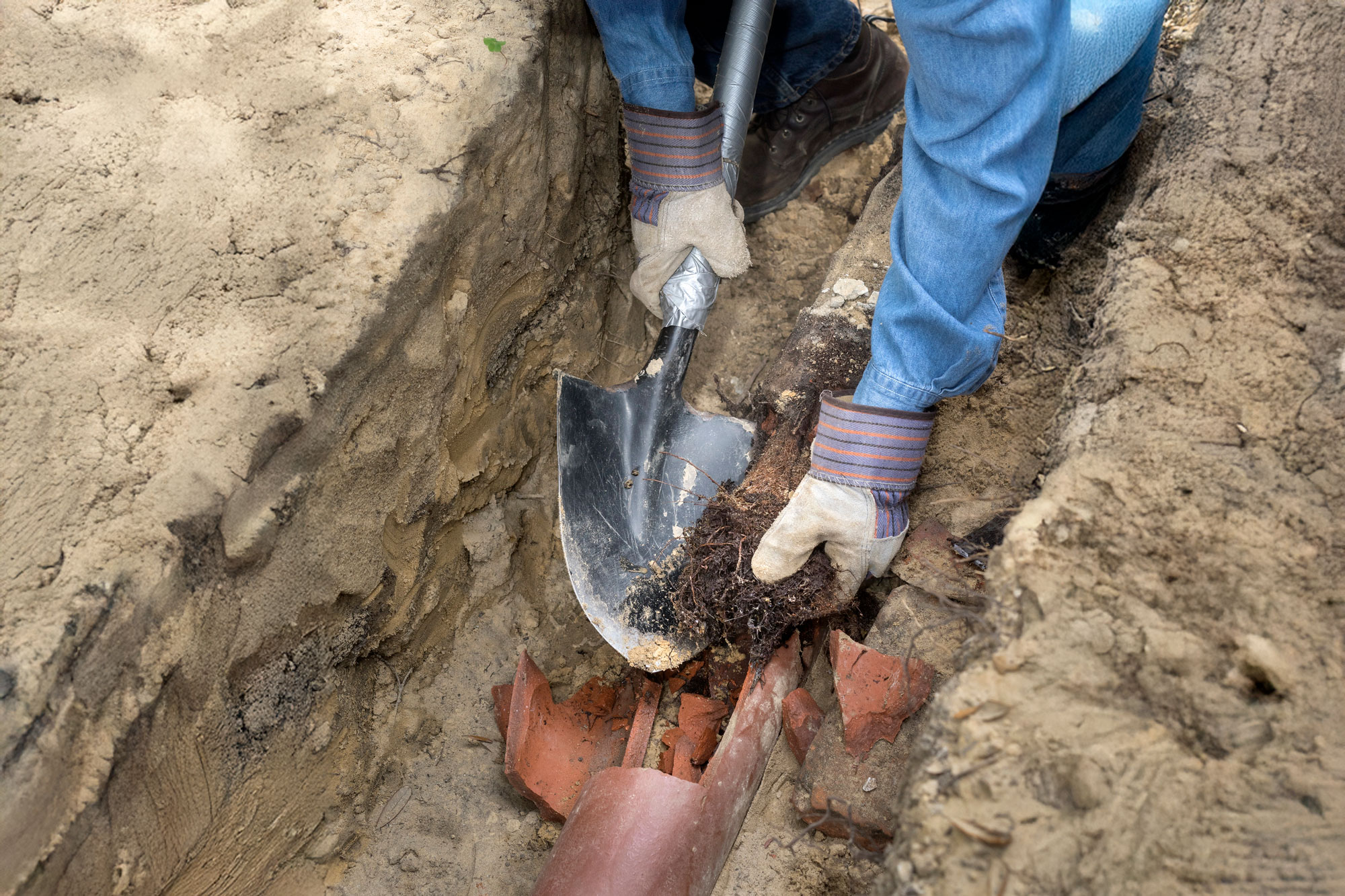
Pipe relining is a trenchless method for repairing damaged or deteriorating pipes. In the past pipes needed to be dug out to be replaced. As well as being noisy and messy, it might take a week or two to gain access, change pipes and refill the trench. Modern technologies allow plumbing experts to access and repair pipes from the inside, with turnaround times as low as a few hours to a day.
Pipe relining is suitable for various types of pipes, including sewer lines, stormwater drains, and water mains. It can address issues such as cracks, holes, tree root intrusion, and joint failures.
The relining process has several advantages over traditional pipe replacement:
- Minimal disruption to property and surroundings
- Faster completion times
- Lower overall costs
- Improved flow capacity due to smooth interior surface
Pipe relining is particularly useful in areas where excavation is difficult or costly, such as under buildings, roads, or landscaped areas. It helps maintain the structural integrity of the pipe system while avoiding the need for extensive digging and restoration work.
Pipelining is far from a temporary fix. The new lining adheres to the existing pipe using an epoxy resin that hardens to form a seamless, jointless pipe that can extend the life of the original structure by up to 50 years.
How Are Pipes Relined
Pipe relining starts with an assessment by a qualified plumber. Flexible wire cameras are used to conduct a thorough sewer inspection to pinpoint trouble spots and give feedback about the severity of damage and whether relining is a possible option.
If relining is recommended the technicians clean the pipes using a high-pressure water jet to blast out debris and buildup. This prepares the pipe surface for the relining material.
Once the pipes are ready, a flexible liner is inserted into the existing pipe. This liner is usually felt or fibreglass, coated with strong epoxy resin. Once in place, the liner expands to fit snugly against the existing pipe walls.
Plumbers use special equipment to activate the resin, usually high-pressure, high-temperature water. The epoxy resin cures and hardens, forming a new pipe within the old one. This creates a smooth, jointless surface that’s resistant to corrosion and root intrusion. The curing process usually takes several hours.
After curing, another camera inspection checks the quality of the relining and allows plumbers to make any necessary junction repairs to restore connections to branch lines.
The pipe work is usually completed within a day, with curing overnight. Pipes are ready to go and properties can return to normal functions after the final check and clean-up the next day.
What Are The Costs Of Pipe Relining
Pipe relining costs vary based on several factors, including pipe size, length, and accessibility. The average price range for this service in Australia typically falls between $450 and $3,000 per metre.
In Queensland, pipe relining services typically fall within a $2,900 to $6,400 price range, depending on the scope of work required.
How much pipe needs to be relined depends on how old the pipes are and what’s causing the issue. Every property is unique which is why it’s important to use a plumbing company that has experience. They’ll know how to get around any complexities and be able to give property owners solid advice on what to expect and what the costs will be before they go ahead.
Factors That Affect Cost
Pipe material: The type of pipe material plays a significant role in determining relining costs. PVC and clay pipes may require different approaches, impacting the overall price. Older homes are often where clay pipes are present, these pipes don’t hold up as well over time compared to new PVC, so relining clay pipes is a great long-term investment that allows property owners to take action before pipes crumble or fail completely.
Pipe length: How much pipe needs to be repaired is another crucial factor. Longer sections of pipe work out to be better value overall, costing less per metre due to fixed setup costs being spread over a larger area.
Accessibility: Getting to pipes can be half the trouble. Urban areas or locations with limited access may lead to increased labour costs. It’s good to know that these complex relining jobs are the ones that save the most money as excavating difficult to access pipes can be a real nightmare, especially if they run under a property or roadway.
Adjourning pipes: The number of junctions and bends in the pipeline also affects the total cost, as each requires additional work to reline properly and ensure fast and effective water flow to branching pipelines.
Pipe size: Larger diameters typically cost more to reline as they require larger volumes of material and resin. For example, a 100mm residential drain might cost around $450 per metre, while a 150mm multi-dwelling drain could be priced at $550 per metre.
Setup costs: A big part of the bill is attributed to set-up costs, which cover labour, equipment, and initial preparations, often starting at about $2,500 for standard residential jobs. These costs remain relatively fixed regardless of the project size.
Alternatives To Pipe Relining
Not every pipe problem can be solved by relining. If relining is not the best option, there are some alternatives a plumber may offer.
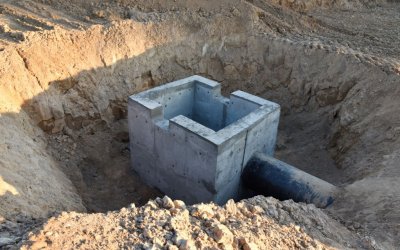
Pipe replacement is a traditional solution for damaged or deteriorated pipes. This method involves bringing in machines to excavate the existing pipes and install new ones.
For severe pipe damage, upgrading to new pipes is the best approach.
Traditional pipe replacement suits situations where pipes are beyond repair or when changes to the plumbing system layout are needed. It provides a long-lasting fix but requires more time and labour compared to relining and may also require replacing plants, lawns, gardens or pavers.
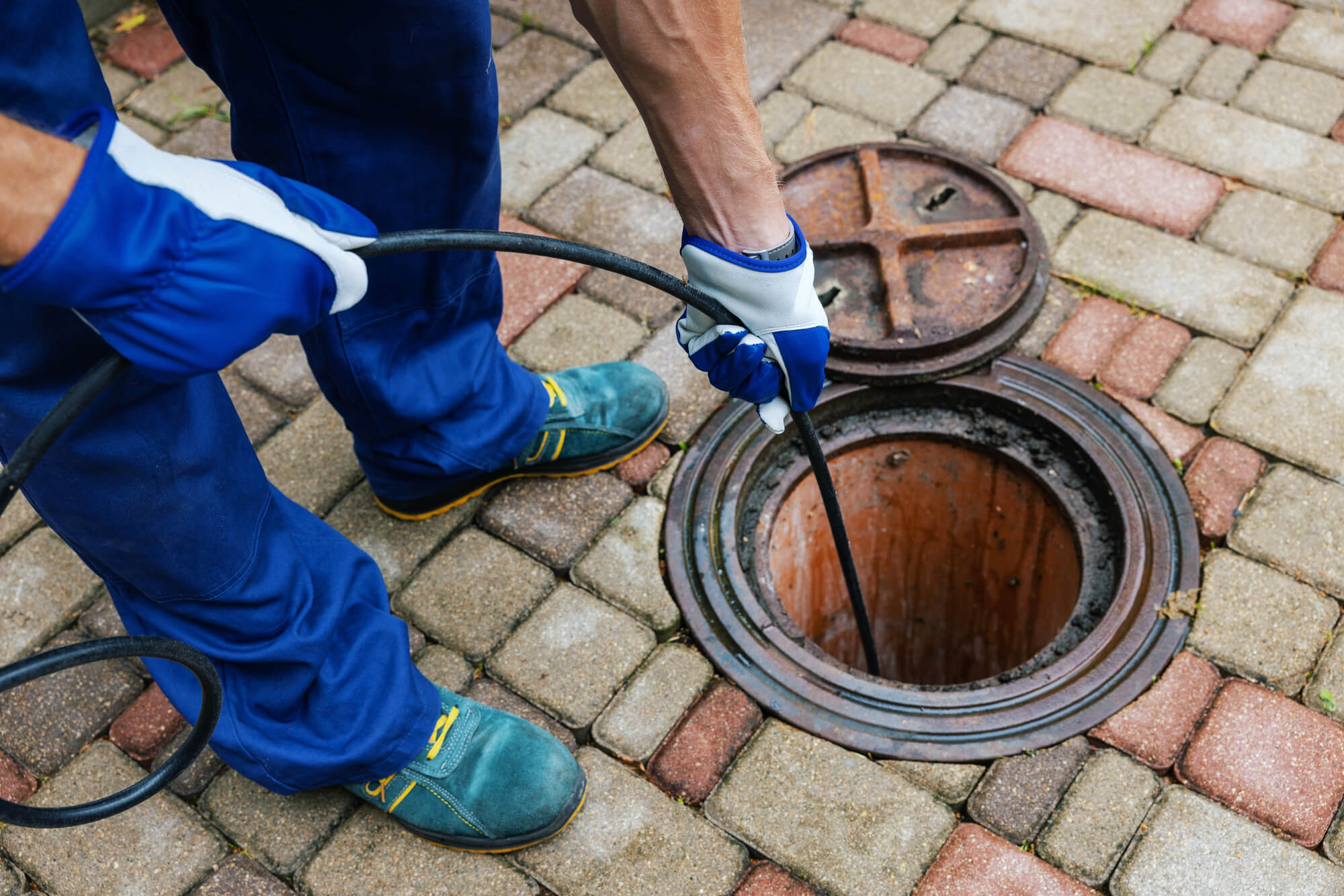
Cleaning pipes to remove blockages is sometimes all that is required. Before considering relining or replacing pipes, plumbers will attempt less invasive methods:
- Hydro jetting: High-pressure water cleans pipes and removes blockages
- Mechanical snaking: A flexible auger breaks up and removes obstructions
- Chemical treatments: Specific solutions dissolve certain types of blockages
These techniques can resolve minor pipe problems without the need for extensive work.
Spot repairs for partially damaged pipes offer a targeted approach. This involves accessing and fixing specific problem areas rather than treating the entire pipe system. It can be a cost-effective option when damage is localised.
Pipe relining offers several advantages over traditional pipe replacement. It requires minimal excavation, reducing disruption to landscapes and structures. The process is often faster and more cost-effective than full pipe replacement. Contact Gold Coast Plumbing Experts for pipe relining services on the Gold Coast to see what they can offer for your property.